The Smiling Nut of Iran: A Tradition I Carry Forward
When people ask me about Iran’s most famous exports, the first words that usually come to mind are saffron and pistachios. Growing up here, pistachios have always been more than just a snack—they’re part of our culture, our traditions, and even our hospitality. If you’ve ever visited an Iranian home, you’ve probably noticed that a bowl of pistachios almost always appears on the table when guests arrive.
But beyond the tradition, pistachios from Iran have a reputation worldwide for their flavor, nutrition, and premium quality. In fact, Iran has been one of the world’s largest producers and exporters of pistachios for centuries. And at Zaragro, we’re proud to continue this tradition by offering pistachios that are not only delicious but also carefully sourced from Iran’s best farms for wholesale export.
So let’s dive into what makes pistachios so special: their health benefits, nutrition facts, different types, and why Iranian pistachios stand out in the global market.
What Exactly Are Pistachios?
Pistachios are actually tree nuts, though botanically they’re the seeds of the Pistacia vera tree. They’ve been cultivated for thousands of years across the Middle East, and Iran is one of the earliest—and still leading—producers.
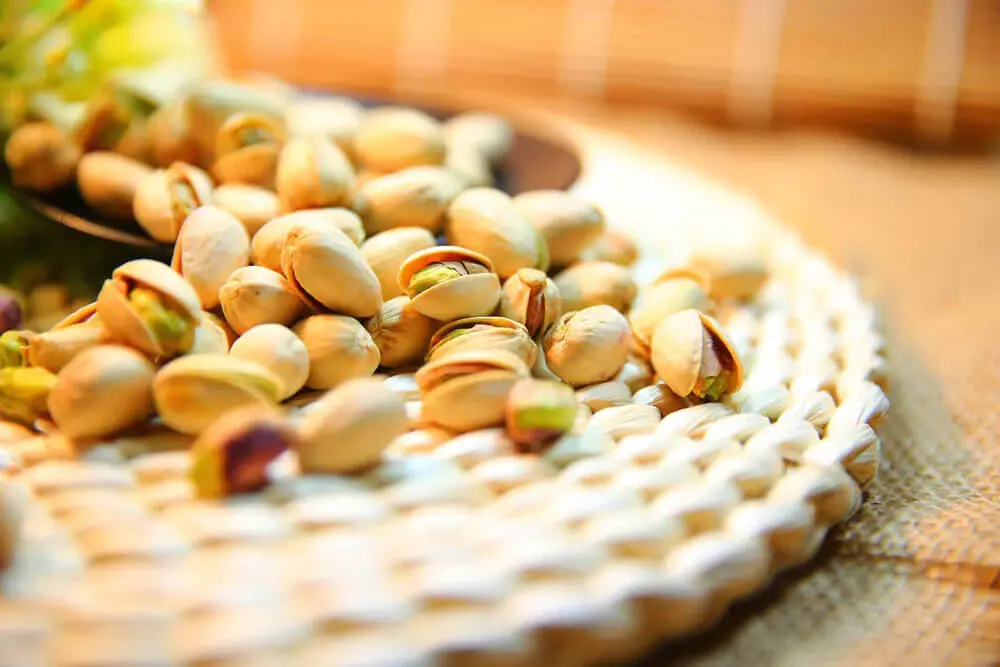
Unlike other nuts, pistachios grow in clusters, much like grapes. The outer hull splits naturally when they ripen, giving that famous “smiling nut” appearance Iranians call the “smiling pistachio”—a sign of freshness and quality.
A Brief History of Iranian Pistachios
Iran is often called the “birthplace of pistachios.” Historical records show that pistachios were cultivated here as far back as 3,000 BC. Ancient Persian kings served pistachios at royal banquets, and traders carried them along the Silk Road, spreading their popularity to Europe and beyond.
Even today, pistachios remain a symbol of Persian hospitality. They’re served during Nowruz (the Persian New Year), weddings, and special gatherings. When Iranians travel abroad, pistachios are one of the first gifts they bring for friends and relatives—a small but meaningful taste of home.
Are Pistachios Good for You?
This is probably the most common question people ask: Are pistachios healthy? The short answer: absolutely, yes.
Pistachios are loaded with:
-
Protein (around 6 grams per ounce)
-
Fiber (3 grams per ounce, which supports digestion)
-
Healthy fats (mostly monounsaturated and polyunsaturated)
-
Vitamins & minerals like B6, potassium, magnesium, and iron
What makes them stand out compared to other nuts is their balance of protein and fiber. They keep you feeling full, which is why pistachios are often recommended for weight management and healthy snacking.
Health Benefits of Pistachios
1. Pistachios for Heart Health
Research shows that eating pistachios regularly can help lower LDL cholesterol (the “bad” cholesterol) and improve HDL cholesterol (the “good” one). They’re also high in antioxidants like lutein and gamma-tocopherol, which are linked to reduced heart disease risk.
2. Pistachios and Weight Loss
You might be surprised, but pistachios are actually considered a weight-loss-friendly nut. They’re relatively low in calories compared to other nuts (about 160 calories per ounce) and because of their protein + fiber combo, they curb hunger without overloading you.
3. Pistachios and Diabetes
For people with diabetes, pistachios can help regulate blood sugar levels. Studies suggest that they reduce blood glucose spikes after meals and improve insulin sensitivity.
4. Pistachios for Skin & Eye Health
Thanks to high levels of vitamin E and lutein, pistachios support healthy skin and protect eyes against damage from blue light and aging.
5. Benefits for Women & Men
-
For women: Pistachios can help with iron intake and reduce fatigue, making them an excellent snack during pregnancy.
-
For men: They support cardiovascular health, which indirectly benefits energy and overall vitality.
Pistachio Nutrition Facts (Per 1 oz / 28g serving)
-
Calories: ~160
-
Protein: 6g
-
Fat: 13g (90% unsaturated)
-
Carbohydrates: 8g
-
Fiber: 3g
-
Potassium: 290mg
-
Vitamin B6: 25% of daily value
This makes pistachios one of the most nutrient-dense nuts available.
How Are Pistachios Grown?
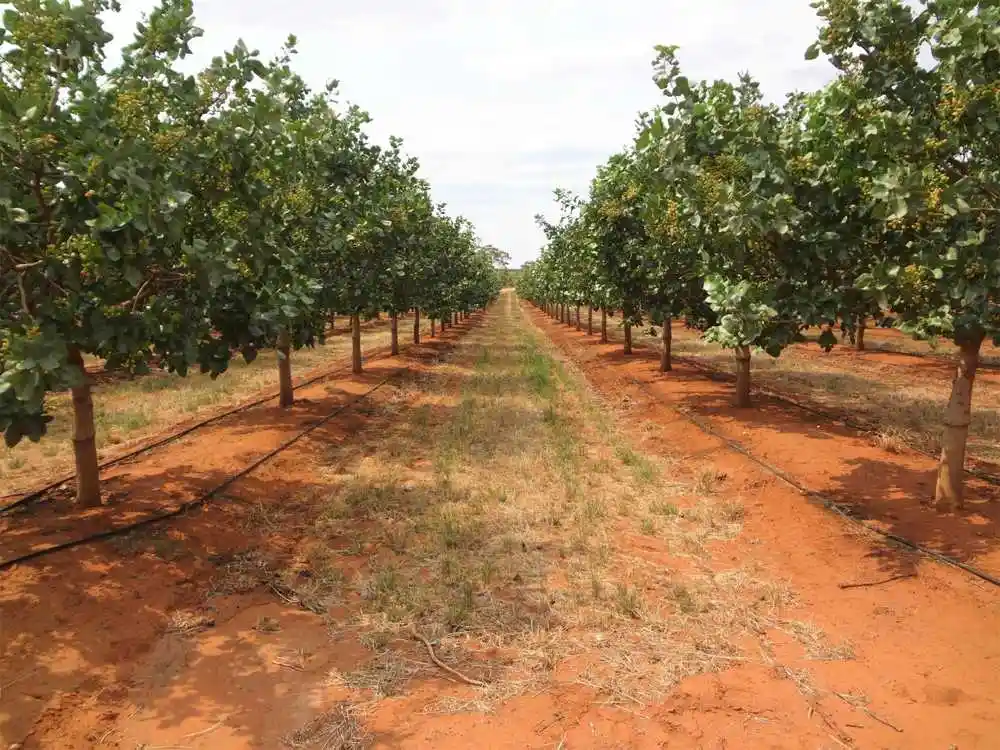
I often get asked: Where do pistachios grow? Iran’s pistachio orchards are located mainly in Kerman, Yazd, and Khorasan provinces. The trees need hot summers and cool winters, which is exactly the climate we have in central Iran.
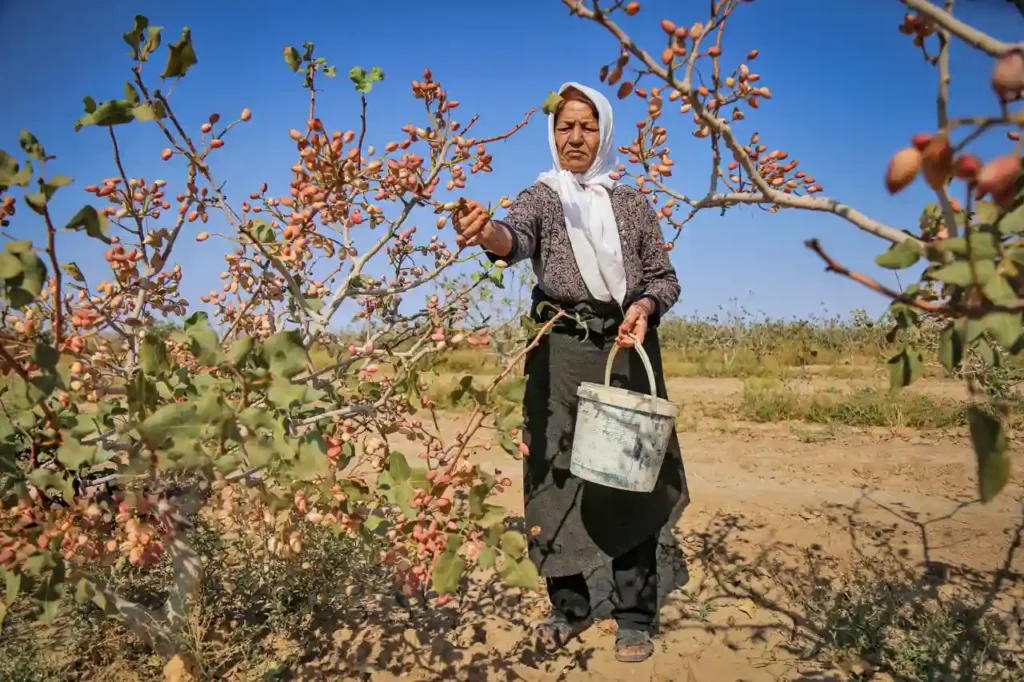
Pistachio trees take several years to mature, but once they do, they can live and produce nuts for decades. Harvest season usually falls between late August and early October, when farmers shake the trees to release the nuts from their clusters.
From Farm to Export: The Journey of Iranian Pistachios
What happens after pistachios are harvested? That’s where the real work begins:
-
De-hulling and drying: Freshly harvested pistachios are quickly de-hulled and dried to preserve quality.
-
Sorting and grading: Pistachios are separated by size, color, and whether they’re naturally open or closed.
-
Roasting & flavoring (optional): Some are roasted with salt, lemon, or saffron, while others remain raw.
-
Packaging: For export, pistachios are vacuum-sealed or nitrogen-packed to ensure freshness during long shipments.
At Zaragro, we make sure every step meets international quality and food safety standards, so our buyers receive pistachios in perfect condition.
Types of Iranian Pistachios
One of the reasons Iranian pistachios are so famous is the wide variety of cultivars. Each type has a unique taste and appearance:
-
Fandoghi (Round pistachio): Small, round, and the most common export variety.
-
Akbari: Long and slender, considered the premium luxury pistachio.
-
Ahmad Aghaei: Similar to Akbari but slightly shorter, with a brighter shell.
-
Kalleh Ghouchi (Jumbo pistachio): Large and round, famous for its bold taste.
At Zaragro, we export all of these varieties depending on the needs of our buyers.
Pistachios in Cooking & Global Cuisine
Pistachios aren’t just for snacking. They play an important role in both Iranian cuisine and international recipes:
-
In Iran: Pistachios are used in sweets like baklava, gaz (nougat), and sohan (toffee). They also garnish rice dishes like shirin polo.
-
In Europe: Pistachios are popular in Italian gelato, French macarons, and Middle Eastern desserts.
-
In the U.S.: They’re a favorite in trail mixes, ice creams, and bakery products.
This versatility makes pistachios a high-demand product for both retail and industrial buyers worldwide.
Why Choose Iranian Pistachios?
It’s true that pistachios are also grown in places like the United States and Turkey. But Iranian pistachios are recognized for their superior taste, natural flavor, and high quality. The soil and climate conditions here create pistachios with a unique balance of sweetness and nuttiness.
Moreover, Iran offers the widest range of pistachio varieties, which means buyers can choose according to market demand—whether they need smaller, cost-efficient nuts for bulk processing or premium long pistachios for luxury packaging.
Pistachios in Bulk & Wholesale Export
At Zaragro, we don’t just talk about pistachios—we live them. We work directly with trusted Iranian farmers and suppliers to ensure every shipment meets international quality and safety standards.
We supply:
-
Raw pistachios (with or without shell)
-
Roasted & salted pistachios
-
Unsalted pistachios
-
Pistachio kernels
-
Pistachio powder & flour (for bakeries and food industries)
Whether you’re a wholesaler, importer, or a business looking for reliable pistachio suppliers, we handle the logistics—from sorting, packaging, and certification to worldwide shipping.
And since we know every buyer’s need is different, we also offer custom packaging and bulk options.
Pistachio Myths & FAQs
Are pistachios fattening?
Not really. When eaten in moderation, pistachios can actually help with weight management.
Why are pistachios so expensive?
Because pistachio trees take years to mature, harvesting is labor-intensive, and demand is very high worldwide.
Do pistachios have protein?
Yes—about 6g per ounce, making them one of the best plant-based protein sources.
Where do pistachios come from?
Iran is historically the leading producer and remains one of the top exporters in the world.
Are pistachios good for diabetics?
Yes, studies show they help regulate blood sugar and improve insulin response.
What’s the difference between Iranian and American pistachios?
Iranian pistachios are known for stronger flavor and wider variety, while American pistachios are often larger but less rich in taste.
Final Thoughts
Pistachios are more than just a tasty snack—they’re a superfood packed with nutrition, history, and cultural importance. From supporting heart health to offering plant-based protein, they’re a nut that people around the world love and trust.
At Zaragro, we take pride in supplying premium Iranian pistachios to global markets. Whether you need bulk pistachios, wholesale shipments, or specialty varieties, we’re here to help you find exactly what you’re looking for.
👉 Ready to source Iranian pistachios for your business?
-
Use our “Ask for Quote” button to get a quick offer tailored to your needs.
-
Or chat with us directly on WhatsApp for fast support and real-time answers.
Your business deserves the best—and with Zaragro pistachios, that’s exactly what you’ll get.