Sumac: The Tangy Spice with Deep Roots in Iranian Cuisine and Beyond
Among the many spices that have traveled the Silk Road and shaped the flavors of civilizations, few are as unique as sumac. With its brilliant red hue and tangy citrus-like flavor, sumac has been a staple in Middle Eastern and Mediterranean cooking for centuries. Long before lemons became common in the region, sumac berries were ground into a fine powder to add acidity and brightness to dishes. Today, it remains one of the world’s most distinctive seasonings — prized not only for its taste but also for its health benefits and versatility.
At Zaragro, we specialize in sourcing premium Iranian sumac, grown in the mountainous regions of Iran where the soil and climate produce berries with a superior color and tang. Whether in the form of ground powder, seasoning blends, or whole berries, Iranian sumac is in demand across global markets, from fine dining kitchens in Europe to food manufacturers in Asia and North America.
What Is Sumac?
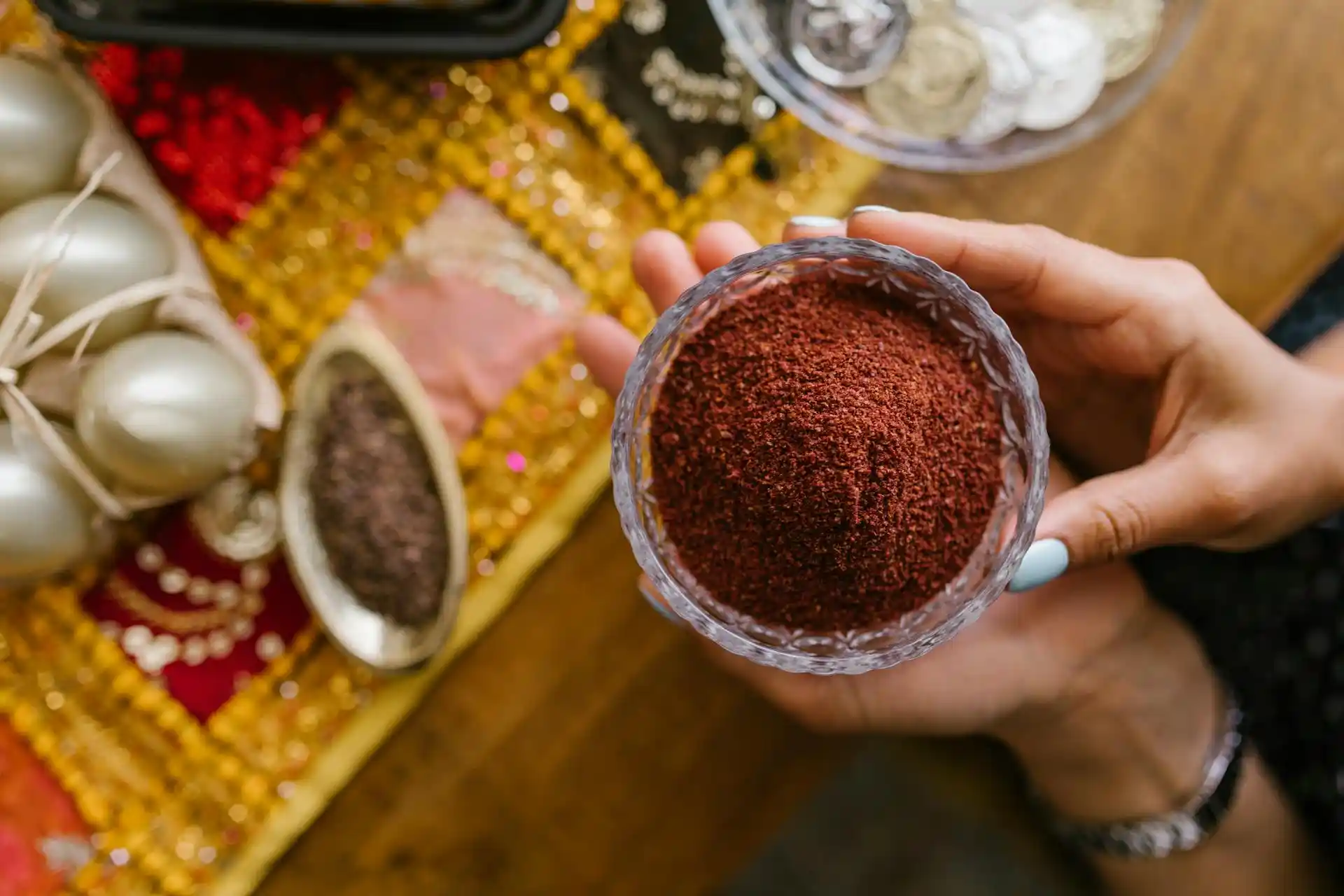
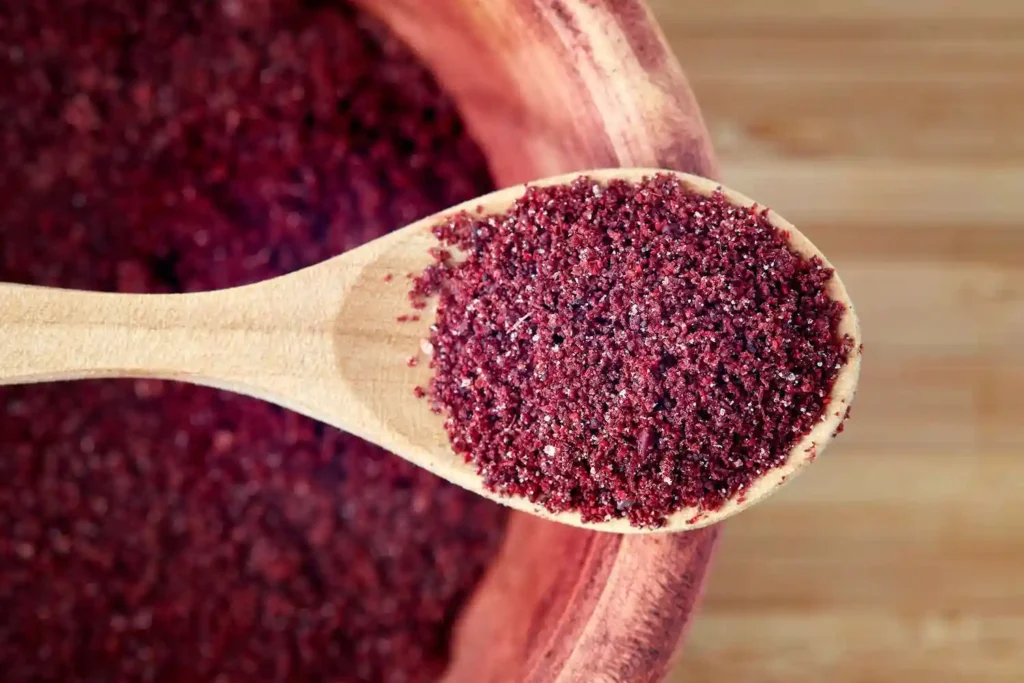
Sumac is derived from the dried and ground berries of the Rhus genus, particularly Rhus coriaria. The berries are harvested when ripe, sun-dried, and then milled into a coarse powder that boasts a vibrant crimson color. Unlike poison sumac, which is inedible and toxic, culinary sumac is completely safe and has been used in cooking and medicine for thousands of years.
Its flavor is often described as lemony, tart, and slightly fruity, making it an excellent substitute for citrus juice or vinegar in recipes. From grilled meats and fresh salads to breads and marinades, sumac delivers brightness without overwhelming acidity.
Varieties of Sumac
While “sumac spice” typically refers to Rhus coriaria, there are several varieties worth mentioning:
-
Smooth Sumac (Rhus glabra): Found in North America, sometimes used for beverages like sumac lemonade.
-
Staghorn Sumac (Rhus typhina): Recognized by its fuzzy red fruit clusters, also used for drinks and flavoring.
-
Fragrant Sumac (Rhus aromatica): Less commonly used in cuisine but noted for its pleasant aroma.
-
Winged Sumac (Rhus copallina): Native to eastern North America, more ornamental than culinary.
Among all these, Iranian red sumac remains one of the most important commercially traded varieties, renowned for its vibrant color and consistent tanginess.
Culinary Uses of Sumac
One of the reasons sumac has endured through centuries of culinary tradition is its versatility. Some of the most popular uses include:
-
Seasoning Grilled Meats: Sprinkled over lamb, chicken, or kebabs for a tangy finish.
-
Salads and Vegetables: Essential in fattoush, the famous Levantine bread salad.
-
Rice Dishes: Mixed with onions and herbs to give Persian rice dishes a citrus-like kick.
-
Breads and Dips: Added to flatbreads, yogurt sauces, or hummus.
-
Sumac Lemonade (Sharbat-e-Somagh): A traditional refreshing drink made by steeping berries in water, used in both Middle Eastern and Native American traditions.
Today, chefs in Europe and North America are also experimenting with sumac in fusion cuisine — using it in salad dressings, cocktails, and even desserts.
Health Benefits of Sumac

Modern nutrition research supports what traditional medicine has long known: sumac offers multiple health benefits. Some of the key advantages of sumac include:
-
Rich in Antioxidants: Helps fight free radicals and reduce inflammation.
-
Supports Digestion: Traditionally used as a digestive aid.
-
Blood Sugar Regulation: Studies suggest sumac may help balance blood sugar levels.
-
Immune Boosting: Packed with vitamin C and other micronutrients.
-
Weight Management: Low in calories, yet adds bold flavor to meals, making healthy eating easier.
In Iranian folk medicine, sumac has also been used to treat digestive issues, reduce fever, and promote cardiovascular health.
Sumac in Iranian Cuisine
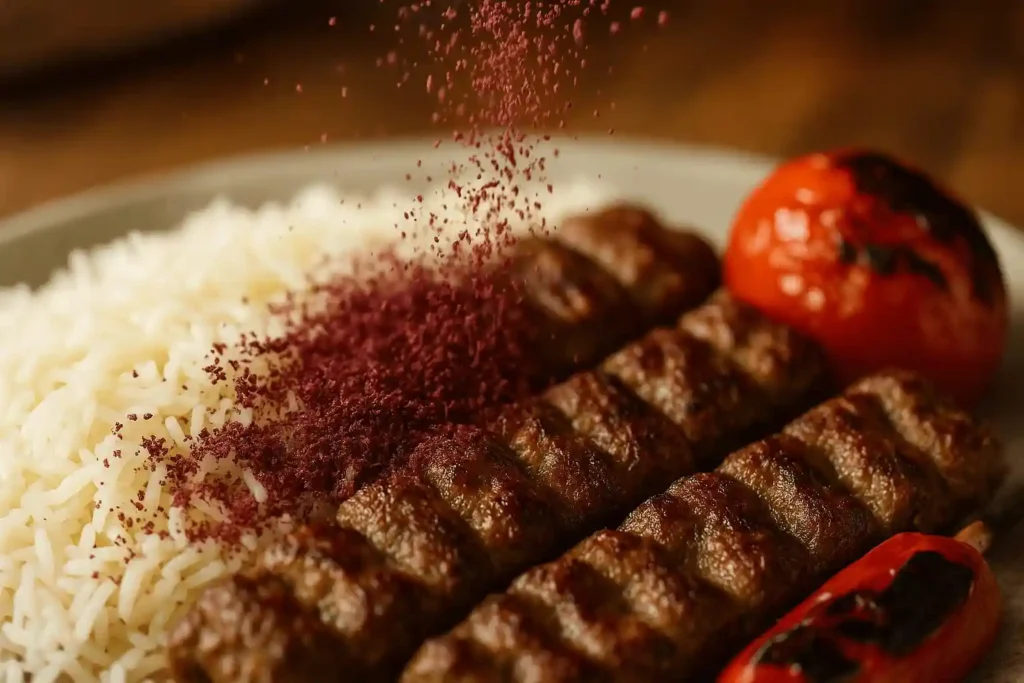
In Iran, sumac is more than a spice — it is a cultural ingredient. You will find it on dining tables, right next to salt and pepper. It is sprinkled generously over kebabs, rice dishes, and even fresh vegetables.
One of the most famous pairings is Chelow Kebab with Sumac, where the tart red powder balances the richness of the grilled meat and buttery saffron rice. In rural areas, some families still prepare sumac tea, believed to cool the body in hot summers.
This deep-rooted culinary heritage makes Iranian sumac one of the most authentic expressions of the spice in the global market.
Iranian Sumac: Quality and Global Demand
Iran is among the world’s largest producers of high-quality sumac. The mountainous regions of northern and western Iran provide the perfect environment for the shrub to thrive. The berries grown here are larger, richer in color, and more intensely flavored compared to other origins.
At Zaragro, we work directly with trusted farmers and processors to ensure that our Iranian sumac meets strict international quality standards. We supply:
-
Whole Sumac Berries – carefully dried for tea or infusions.
-
Ground Sumac Powder – ready to use as a seasoning.
-
Bulk & Wholesale Packaging – for spice distributors, restaurants, and manufacturers.
This allows us to serve both retail and bulk markets, delivering Iranian sumac to customers worldwide, including in Europe, the Middle East, Central Asia, and beyond.
How Sumac Compares to Other Spices
While many spices add warmth or sweetness, sumac is unique for its tart, lemony edge. Unlike vinegar or lemon juice, it adds acidity without liquid, making it invaluable for dry rubs and seasoning blends.
It also pairs beautifully with other Middle Eastern spices such as cumin, coriander, and za’atar (a spice blend where sumac is a key ingredient). For chefs, sumac is often considered an indispensable flavor-balancer.
Recipes Using Sumac
Sumac can be incorporated into countless recipes. Some classic examples include:
-
Fattoush Salad – toasted pita, fresh vegetables, and sumac dressing.
-
Sumac Chicken – marinated with olive oil, garlic, and sumac.
-
Persian Kebab with Sumac – the quintessential Iranian dish.
-
Roasted Vegetables – carrots, eggplants, or potatoes dusted with sumac.
-
Sumac Tea or Lemonade – a refreshing traditional drink.
This adaptability is part of the reason global demand for sumac is growing rapidly.
Zaragro: Exporting Iranian Sumac Worldwide
At Zaragro, our mission is to bring the authentic taste of Iran to the world. Just as we have established a strong reputation in exporting saffron, pistachios, and cumin, we are now proud to offer Iranian sumac in bulk quantities.
We ensure:
-
Consistent Quality: Bright color, rich tang, and carefully cleaned.
-
Global Shipping: Packaging tailored for wholesale buyers and distributors.
-
Competitive Pricing: Direct sourcing from Iran’s best-growing regions.
Whether you are a distributor, retailer, or food manufacturer, Zaragro is your trusted partner for high-quality sumac exports.
Conclusion
From ancient Persian kitchens to modern international restaurants, sumac has remained a timeless spice — valued for its bold flavor, health benefits, and cultural significance. For buyers and consumers seeking authenticity, Iranian sumac stands out as one of the finest in the world.
At Zaragro, we are proud to continue this tradition by supplying premium Iranian sumac to global markets. Whether used in traditional dishes like kebabs and salads or in innovative culinary creations, sumac delivers an unforgettable taste experience.
👉 Ready to source Iranian sumac for your business?
-
Use our “Ask for Quote” button to get a quick offer tailored to your needs.
-
Or chat with us directly on WhatsApp for fast support and real-time answers.
Your business deserves the best—and with Zaragro sumac, that’s exactly what you’ll get.