Why I Believe Walnuts Deserve a Place in Every Kitchen
I’ve always been fascinated by how nature packs so much goodness into such a small shell. Walnuts are a perfect example. Whether you enjoy them as a crunchy snack, mix them into a salad, or use walnut oil in your recipes, these little nuts bring incredible flavor and nutrition to the table.
But beyond being delicious, walnuts are one of the most nutrient-dense foods you can eat. And as someone passionate about Iranian products, I can tell you — Iranian walnuts are among the finest in the world, with a taste and texture that truly stand out.
Let’s dive deeper into what makes walnuts so special, and why sourcing Iranian walnuts wholesale might be one of the smartest moves for anyone in the nut trade.
The Nutritional Power of Walnuts
Whenever I talk to people about healthy eating, walnuts always come up. Why? Because their nutrition profile is simply exceptional.
Walnut Nutrition at a Glance
-
Protein: Around 4.3 grams per ounce — a great plant-based protein source.
-
Omega-3 Fatty Acids: One of the richest sources of alpha-linolenic acid (ALA), crucial for heart and brain health.
-
Fiber: Helps support digestion and satiety.
-
Antioxidants: Walnuts rank among the top nuts for antioxidant content, which helps fight oxidative stress.
-
Vitamins & Minerals: Vitamin E, folate, magnesium, copper, and phosphorus all play vital roles in keeping our body running smoothly.
So it’s no wonder people are searching for “walnut nutrition” (5400/month) and “walnut benefits” (6600/month) — these numbers tell me people are genuinely curious about how to incorporate this nut into their diets.
Health Benefits of Walnuts
1. Heart Health Support
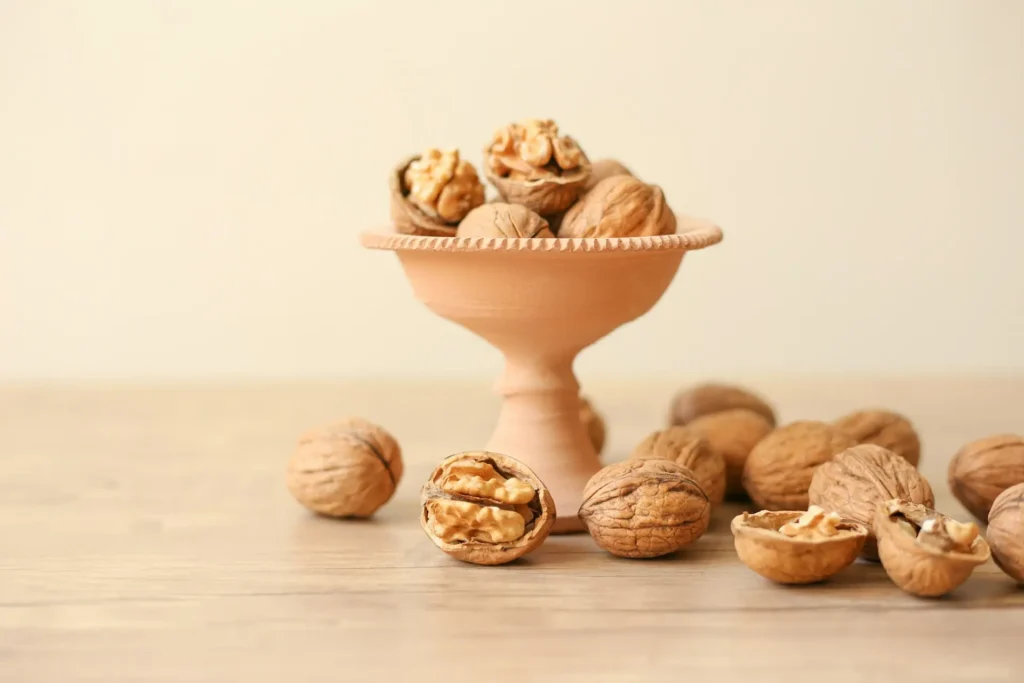
If you’ve ever wondered “Are walnuts good for you?” — absolutely yes! Walnuts are one of the few nuts rich in plant-based omega-3 fats, which have been linked to improved heart function and reduced inflammation. Regular walnut consumption helps lower LDL (“bad”) cholesterol and maintain good HDL levels.
2. Brain Health and Memory
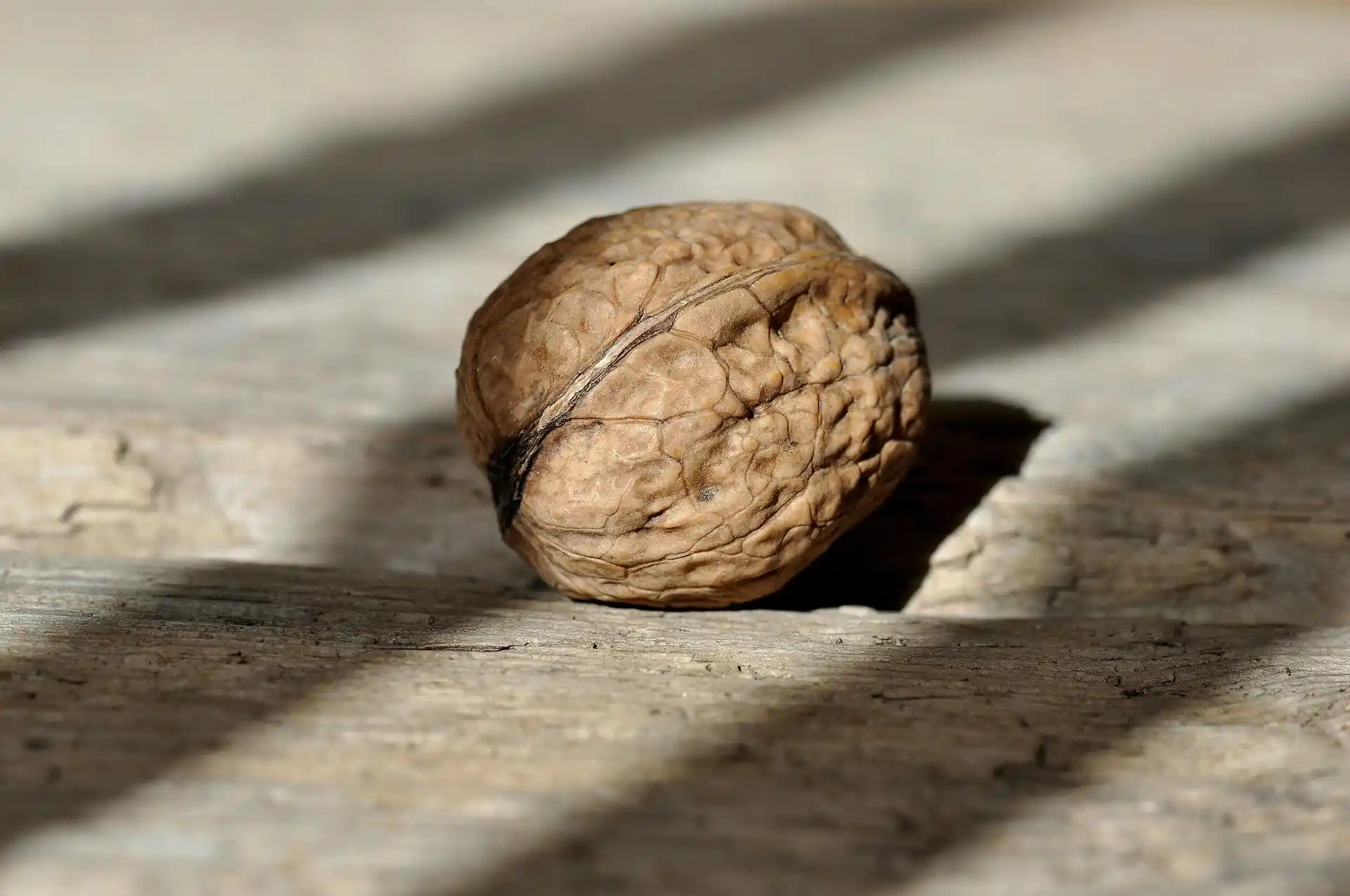
There’s a reason walnuts are often called “brain food.” Their shape even resembles the human brain! Scientific studies have linked walnuts with better cognitive function, memory, and focus — thanks to antioxidants and essential fatty acids.
3. Weight Management
Some people avoid nuts because they think they’re fattening, but that’s a myth. Walnuts actually help with weight management because their combination of healthy fats, protein, and fiber keeps you fuller longer. A handful a day can reduce cravings and help balance energy throughout the day.
4. Skin and Hair Benefits
Walnut oil, often searched as “walnut oil benefits”, is excellent for skin hydration and scalp nourishment. The high vitamin E and omega content can give your skin a healthy glow and strengthen hair follicles naturally.
5. Anti-Inflammatory Properties
Walnuts’ unique mix of polyphenols, melatonin, and omega-3s make them a natural anti-inflammatory food — perfect for supporting a healthy immune system.
Different Types of Walnuts
Not all walnuts are created equal — and that’s part of what makes them so interesting.
English Walnuts (Persian Walnuts)
These are the most common type, also known as Juglans regia. They have a mild, pleasant flavor and thin shells. Interestingly, Iran is one of the oldest and most famous producers of this variety — which is why they’re sometimes called Persian walnuts.
Black Walnuts
These grow mainly in North America and are known for their strong, earthy taste. They’re less common for export but often searched as “black walnut benefits” (4400/month) or “black walnut tree” (18100/month) due to their unique properties and hardwood value.
White Walnuts (Butternuts)
A rarer variety with a smooth shell and mild flavor. They’re less common in global trade but still valued among nut enthusiasts.
Iranian Walnuts: A Legacy of Quality and Flavor

Now, let me talk about something I know closely — Iranian walnuts.
Iran has a long and proud history of walnut cultivation. In fact, the Persian walnut originated in this region centuries ago. The combination of fertile soil, high-altitude orchards, and dry climate makes Iranian walnuts rich in flavor and high in oil content — which is exactly what buyers and consumers look for.
What Makes Iranian Walnuts Unique?
-
Natural Sweetness: A smooth, buttery taste with just a hint of sweetness.
-
Light Color Kernels: Attractive for retail and export markets.
-
High Oil Content: Ideal for both culinary use and walnut oil extraction.
-
Traditional Harvesting: Many farmers still use hand-picking and sun-drying, which preserve natural quality.
When you compare Iranian walnuts to mass-produced alternatives, you’ll notice a difference in aroma, texture, and freshness. This is why many wholesalers and retailers prefer to source from Iran — consistency and authenticity.
From Orchard to Export
I’ve had the opportunity to visit walnut farms in different provinces of Iran — and every time, it amazes me how much care goes into cultivation. Regions like Kerman, Hamedan, Khorasan, and Zanjan produce some of the finest walnuts you can find anywhere.
The process usually goes like this:
-
Blossoming – Walnut trees bloom in spring with delicate green catkins.
-
Harvesting – By late summer or early autumn, the green hulls begin to split, signaling it’s time to harvest.
-
Drying and Shelling – Walnuts are carefully dried to preserve flavor, then shelled and sorted for export.
-
Quality Grading – Exporters classify walnuts based on size, kernel color, and shell type.
This traditional yet refined approach ensures that every batch maintains its natural flavor and long shelf life — a key factor for wholesale walnut exports.
How to Use Walnuts Every Day
Walnuts aren’t just for snacking. Here are a few ways I love to enjoy them:
In Breakfasts
Sprinkle chopped walnuts on oatmeal, yogurt, or smoothies. They add crunch and a protein boost to start your day right.
In Cooking
Walnuts are great in savory dishes — try them in pesto, as a crust for salmon, or mixed into rice dishes for texture.
In Baking
From walnut brownies to banana-walnut muffins, the combination of crunch and nuttiness enhances almost any dessert.
In Salads and Snacks
Toss roasted walnuts with honey or spices for an energy-boosting snack, or add them to salads with apples, feta, and arugula.
Walnut Oil
A few drops of walnut oil add a rich, nutty aroma to salads or roasted vegetables. It’s also popular in skincare due to its moisturizing properties.
Why Choose Iranian Walnuts for Wholesale
If you’re a business owner, importer, or food manufacturer, sourcing Iranian walnuts wholesale makes perfect sense. Here’s why:
-
Premium Quality: Naturally cultivated, high-oil, flavorful kernels.
-
Competitive Pricing: More affordable compared to U.S. or European walnuts without compromising on quality.
-
Custom Packaging & Grading: Available in-shell, shelled, halves, or pieces depending on your market needs.
-
Reliable Supply: Iran exports large quantities worldwide every year, ensuring consistent availability.
And the best part? At Zaragro, we make the entire process seamless. You can connect directly through our live WhatsApp chat or click “Ask for Quote” to get personalized pricing and export details in minutes. No middlemen, no delays — just quality and transparency.
Fun Facts About Walnuts
-
The Persian walnut tree can live over 100 years!
-
Walnuts are technically seeds, not true nuts.
-
Ancient Persians considered walnuts a food for kings — calling them “royal nuts.”
-
The English word “walnut” comes from “foreign nut,” as it was brought to Europe from Persia.
-
Just seven walnuts a day can provide your daily omega-3 requirement.
Sustainability and Tradition
One of the things I admire most about Iranian walnut farming is its sustainability. Many orchards rely on traditional irrigation systems and organic farming practices. These methods not only protect the environment but also preserve the authentic taste that defines Iranian walnuts.
As global consumers become more conscious about where their food comes from, Iran’s traditional walnut industry stands as a symbol of ethical, eco-friendly production.
Conclusion
Walnuts aren’t just another nut — they’re a fusion of flavor, health, and heritage. From their heart-healthy nutrients to their deep cultural roots, they’ve earned a permanent place in both our kitchens and our history.
If you’re looking for premium-quality Iranian walnuts, whether for retail, processing, or wholesale export, I’d love to help you connect directly with trusted sources in Iran.
👉 Chat with us live on WhatsApp for instant answers, or click “Ask for Quote” to receive a custom export offer today.
Your journey to sourcing authentic, world-class walnuts starts here — with Zaragro.