The Red Gold: Why Saffron Matters to Me
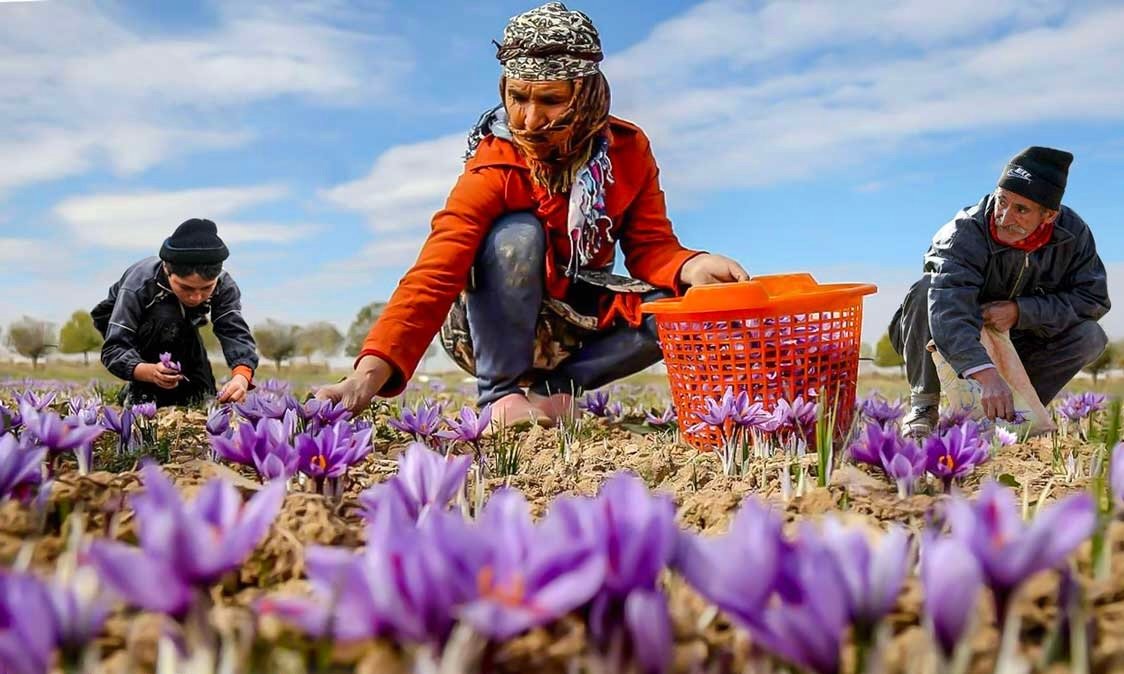
When I first started working with saffron, I quickly realized why it has been called the Red Gold of Iran. It’s not just a spice—it’s history, culture, and livelihood woven into tiny crimson threads. Every harvest is done by hand, every stigma carefully picked at dawn when the flowers are most delicate. To me, saffron represents patience, tradition, and the pride of Iranian farmers who have passed their craft down for centuries.
That’s why I created Zaragro: to share authentic Iranian saffron with the world, straight from the fields to your kitchen or company. Whether you’re looking for saffron for culinary use, tea, or wholesale bulk purchase, I want you to know exactly where it comes from, why it’s special, and how you can use it.
What Is Saffron?
At its simplest, saffron is a spice made from the dried stigmas of the Crocus sativus flower. Each flower has only three tiny red threads, and it takes about 75,000 blossoms to produce just one pound of saffron. That’s why saffron is one of the most expensive spices in the world.
People often ask me: “What is saffron used for?” The answer is almost endless—saffron threads are used in cooking, tea, desserts, medicine, cosmetics, and even as a natural dye. Its flavor is unique: a little earthy, slightly sweet, with a warm aroma that’s hard to describe but unforgettable once you try it.
A Quick History of Saffron
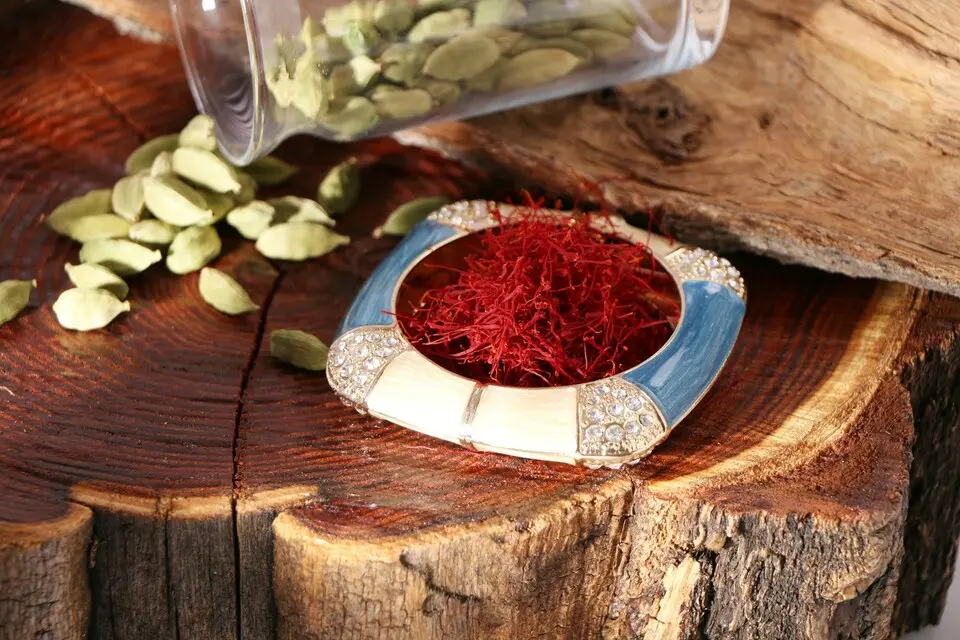
The history of saffron goes back more than 3,000 years. Ancient Persians used it to dye fabrics, flavor food, and even as perfume for kings and queens. Saffron traveled along the Silk Road, reaching India, Europe, and beyond.
Even today, when I speak with international buyers, many know Iranian saffron by reputation. Words like Persian saffron or Iranian saffron still carry weight because Iran produces over 90% of the world’s saffron, thanks to our climate and soil conditions.
How Saffron Is Grown and Harvested
Growing saffron isn’t like planting a tree and waiting for fruit. The saffron plant, or Crocus sativus, is a delicate flower that blooms for only a few short weeks in autumn. The process is labor-intensive:
-
Planting: Farmers use corms (bulbs) of the saffron crocus.
-
Blooming: The purple flowers bloom early in the morning.
-
Harvesting: Each flower is picked by hand before the sun gets too strong.
-
Stigma separation: The three red stigmas (saffron threads) are carefully separated from each flower.
-
Drying: The threads are dried to preserve aroma and color.
It’s no wonder saffron is more expensive than gold per gram—this process requires patience, precision, and thousands of flowers.
Why Iranian Saffron Stands Out
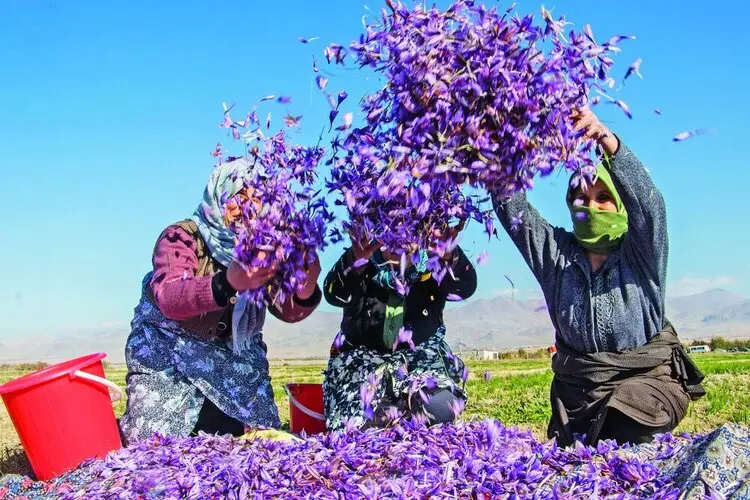
I’ve seen saffron from other regions, but nothing compares to the quality of Iranian saffron. Here’s why:
-
Climate: The dry, sunny climate of Iran is perfect for crocus cultivation.
-
Tradition: Farmers here follow centuries-old harvesting techniques.
-
Purity: Iranian saffron has higher levels of crocin (color), safranal (aroma), and picrocrocin (flavor) compared to most other origins.
-
Diversity: From Negin to Super Negin, Sargol, and Pushal, we offer different cuts for different needs.
When you buy from Zaragro, you’re not getting anonymous threads mixed with fillers—you’re getting genuine Persian saffron with full traceability.
How to Use Saffron Spice
One of the most common questions I get is: “How do I use saffron in cooking?” Here are some of my favorite ways:
-
Infuse it: Soak threads in warm water or milk for 10–15 minutes, then add the liquid to rice, stews, or desserts.
-
Tea: A few strands can turn ordinary tea into a fragrant, golden drink.
-
Rice dishes: From Persian Tahdig to Spanish Paella, saffron gives rice its signature golden hue and aroma.
-
Desserts: Saffron ice cream and cakes are popular in Iran and now around the world.
A small pinch goes a long way—too much can actually overpower the dish.
Benefits of Saffron
Besides its flavor, saffron is valued for its health properties. Scientific studies have linked saffron to:
-
Mood boosting: Often called a natural antidepressant.
-
Antioxidants: Protecting the body from free radicals.
-
Memory support: Some studies suggest benefits for brain health.
-
Digestive aid: Traditionally used in teas and herbal remedies.
This is why saffron isn’t just a spice—it’s also considered a wellness ingredient.
Different Types of Saffron We Offer
When I first entered the saffron trade, I realized many buyers didn’t know the difference between saffron types. At Zaragro, we offer:
-
Super Negin: The highest quality, long red threads with strong aroma and color.
-
Negin: Thick threads with high coloring power, ideal for premium cooking.
-
Sargol: Pure stigma tips, rich in aroma.
-
Pushal: Includes part of the style, slightly less intense but more affordable.
Each type has its market, and I’m happy to guide buyers depending on whether they’re chefs, retailers, or wholesalers.
How Long Does Saffron Last?
Stored properly, saffron can last up to two years without losing much aroma or color. The trick is to keep it in an airtight container, away from light and moisture. In our exports, we pack saffron in sealed containers designed to preserve freshness until it reaches your door.
Buying Saffron from Zaragro
We have made the process of purchase personal and transparent:
-
Browse our saffron range.
-
Click “Add to Quote” for the quantity or type you need.
-
Or simply start a WhatsApp chat with me—I’ll personally respond.
This way, you get tailored support, whether you need 10 grams for gourmet cooking or 10 kilos for bulk supply.
Why Work With Us?
I know there are many places online to buy saffron, but here’s why I believe Zaragro stands apart:
-
Direct from farmers in Iran.
-
Transparent quality testing (crocin, safranal levels).
-
Flexible export packaging.
-
Personal support—no automated systems.
For me, saffron isn’t just a product. It’s a trust that I build with each customer who chooses us.
FAQs About Saffron
Q: Where does saffron come from?
A: From the Crocus sativus flower, mainly grown in Iran.
Q: Why is saffron so expensive?
A: Because each flower has only 3 stigmas, and harvesting is all done by hand.
Q: What color is saffron?
A: Deep red threads that turn golden when infused.
Q: How is saffron used in cooking?
A: By soaking threads in liquid and adding to rice, stews, desserts, or tea.
Q: Can saffron be used as medicine?
A: While it’s traditionally used in herbal remedies, consult a doctor before medicinal use.
Final Thoughts
Saffron is more than just a spice—it’s a story of tradition, patience, and excellence that connects people across the world. At Zaragro, I’m proud to share 100% pure saffron, without additives, carefully harvested and packaged to preserve its natural aroma and vibrant color.
When you choose Zaragro saffron, you benefit from:
✓ ISO-certified quality that meets global standards
✓ Authentic packaging that ensures freshness and trust
✓ Large purchasing advantage for wholesale buyers
✓ Worldwide delivery with affordable shipping fees
✓ Fast logistics: delivery within 2–10 working days
But saffron is only one part of our journey. Welcome to Zaragro — a trusted partner in the export of high-quality fresh fruits, dried fruits, dates, saffron, and nuts from Iran. We work with passion to bring you the most fresh and organic products, harvested with care and delivered with integrity.
For our wholesale customers, we provide essential certifications like GlobalGAP, ensuring that our products meet international safety and sustainability standards. Choosing Zaragro means bringing the excellence of Iranian agriculture directly to your business or table.
If you are looking to enter the Iranian agricultural market, we can be more than a supplier — we can be your partner. With our experience and local network, Zaragro helps you navigate this dynamic sector and seize new opportunities for growth and expansion.
So whether you’re a chef, a retailer, or a wholesale distributor, we invite you to experience the unmatched quality of Persian saffron and the rich variety of Iran’s agricultural products — delivered to you with trust, passion, and authenticity.