Guides
Cumin Benefits: Health Advantages, Nutrition & Uses
May
“What you eat plays a powerful role in your health.”
Among the world’s oldest and most widely used spices, cumin holds a special place in both traditional cooking and natural wellness. Its warm, earthy flavor makes it a favorite in kitchens across the Middle East, India, Central Asia, North Africa, and many other regions. But cumin is valued for more than just taste.
Many people know cumin as a common spice in savory dishes, yet fewer realize how much interest there is in its health value, nutritional profile, and everyday uses. From cumin seeds and ground cumin to cumin tea and cumin water, this spice continues to attract attention from anyone who wants both flavor and function in their food.
In this complete guide, we will explain everything you need to know about cumin benefits, including its nutrition, common uses, taste, origin, and why cumin remains one of the most important spices in global trade.
Let’s take a closer look at this powerful spice.
What Is Cumin?
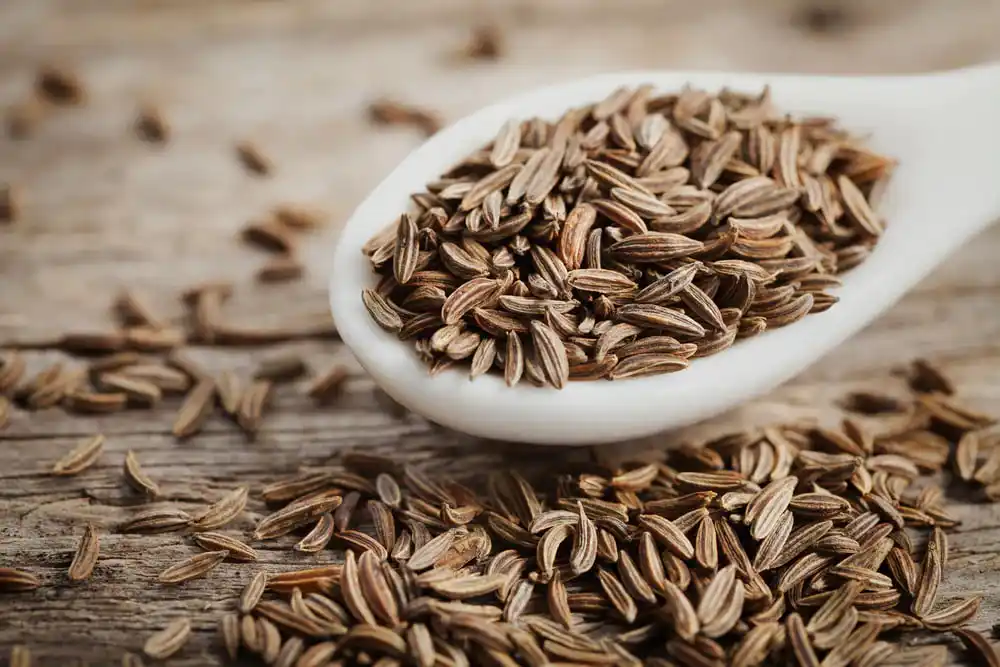
Cumin is a spice made from the dried seeds of the Cuminum cyminum plant. It belongs to the parsley family and is known for its distinctive aroma and slightly warm, nutty, peppery taste.
Cumin is sold in several common forms:
- Whole cumin seeds
- Ground cumin
- Cumin powder
- Organic cumin
- Cumin blends and seasonings
It is widely used in spice mixes, soups, rice dishes, meat marinades, stews, curries, sauces, and roasted vegetables.
In simple terms, cumin is one of the most recognized spices in savory cooking around the world. It is small in size, but very strong in aroma and flavor.
Cumin Seeds vs Ground Cumin
Before talking about cumin health benefits, it helps to understand the difference between the two main forms.
Cumin Seeds
Whole cumin seeds are the original dried seeds of the plant. They are often added directly to hot oil, sauces, rice, breads, and spice mixtures. Whole seeds have a strong aroma and are especially popular in traditional recipes.
Ground Cumin
Ground cumin, also called cumin powder, is made by grinding the seeds into a fine spice. It is easier to use in soups, marinades, sauces, and seasoning blends.
Both forms come from the same spice, but the flavor can feel slightly different. Whole cumin seeds release aroma slowly, while ground cumin spreads flavor more quickly throughout a dish.
The good news is that both forms offer similar benefits, and both are widely used in cooking.
Cumin Nutrition
Cumin is used in small amounts, but it still contains valuable nutrients and plant compounds.
Although a typical serving of cumin in food is quite small, cumin provides:
- Iron
- Manganese
- Calcium
- Magnesium
- Small amounts of fiber
- Antioxidant compounds
- Natural plant oils and active compounds
Even though cumin is usually added as a spice rather than eaten in large portions, it still contributes useful nutritional value as part of a balanced diet.
Its importance is not only in vitamins and minerals, but also in the way it enhances healthy meals without adding sugar or artificial ingredients.
Is Cumin Good for You?
Yes, cumin can absolutely be part of a healthy diet.
Cumin is considered beneficial because it offers:
- Antioxidant properties
- Digestive support
- Useful minerals
- Natural flavor without added sugar
- A long history of traditional culinary use
Unlike many processed flavorings, cumin is a natural spice with a long history in cooking and traditional food practices. It adds strong flavor without needing excess salt, sugar, or artificial ingredients.
This is one reason cumin is so valuable. It allows food to taste richer and more satisfying while also offering natural plant compounds.
Top Cumin Benefits
Now let’s look more closely at the main benefits of cumin and why it continues to be such a respected spice.
1. Cumin Supports Digestion
One of the oldest and most traditional reasons cumin is used is its connection to digestion.
Across many cultures, cumin has been added to meals to support digestive comfort, especially in dishes made with legumes, meat, grains, or rich ingredients. It is often associated with making food feel lighter and easier to enjoy.
This does not mean cumin is a medicine, but its long reputation in food culture is one reason it remains such a valued spice.
Its digestive reputation is a major reason why cumin is still included in both daily cooking and natural wellness habits.
2. Cumin Contains Antioxidant Compounds
Cumin contains natural plant compounds that contribute antioxidant activity.
Antioxidants are important because they help protect the body from oxidative stress caused by unstable molecules known as free radicals. Over time, oxidative stress can affect cells and general health.
Adding antioxidant-rich foods and spices to your diet may support overall wellness. Cumin is not the only source of antioxidants, of course, but it is another useful ingredient that can contribute to a more nutrient-rich diet.
Its contribution may be small compared with fruits and vegetables eaten in larger quantities, but cumin still adds value as part of a varied and healthy eating pattern.
3. Cumin Adds Flavor Without Unhealthy Additions
One underrated benefit of cumin is that it makes food taste deeper, warmer, and more satisfying without the need for too much salt, sugar, or heavy sauces.
This matters because healthy eating is not only about nutrients. It is also about making good food enjoyable enough to eat regularly.
Cumin helps with that by adding:
- Warmth
- Earthiness
- Depth
- Complexity
For many people, flavorful spices make healthy meals easier to enjoy. Lentils, vegetables, rice, soups, grilled meats, and legumes can all become more appealing with the right seasoning.
In this way, cumin supports better eating habits simply by helping wholesome foods taste better.
4. Cumin Can Fit Into Weight-Conscious Diets
Cumin is sometimes linked to lighter eating habits and simple wellness routines. While no spice can magically cause weight loss, cumin can still be a smart ingredient in balanced diets.
Its strength lies in the way it improves the taste of healthy foods. It can make soups, vegetable dishes, legumes, grilled proteins, and rice-based meals more satisfying without relying on rich sauces or processed seasoning blends.
That makes cumin a practical choice for people who want meals that are both flavorful and simple.
5. Cumin Is Used in Traditional Everyday Wellness
Cumin has been part of food culture for centuries, not only as a seasoning but also as an ingredient in simple home preparations such as cumin tea and cumin water.
These uses are especially common in traditional kitchens where spices are valued not just for taste, but for the role they play in everyday food habits.
Whether added to warm water, brewed into tea, or used in cooking, cumin has long been seen as a useful spice in daily life.
6. Cumin May Help Support a Balanced Diet
One of cumin’s greatest strengths is that it works well with other nutritious ingredients.
It pairs naturally with:
- Lentils
- Chickpeas
- Beans
- Rice
- Yogurt sauces
- Roasted vegetables
- Grilled meats
- Soups and stews
Because of this, cumin is often part of meals that already offer protein, fiber, and important nutrients. In that sense, cumin helps support healthy eating patterns by being part of wholesome, practical cooking.
What Does Cumin Taste Like?
Cumin has a warm, earthy, slightly nutty flavor with a mild peppery edge. Some people also notice a faint bitterness or smokiness, especially in ground cumin.
Its taste is strong enough to shape a dish, but not so overpowering that it hides other ingredients.
That is why cumin works so well in spice blends and savory foods. It adds depth and character without needing much quantity.
Is Cumin Spicy?
Cumin is not spicy in the same way as chili or hot pepper.
It has warmth and intensity, but it is not a hot spice. Instead, its flavor is earthy, aromatic, and slightly sharp. This makes it suitable for a wide variety of dishes, including recipes for people who want rich taste without too much heat.
What Is Cumin Used For?
Cumin is one of the most versatile spices in the kitchen.
It is commonly used in:
- Rice dishes
- Meat recipes
- Stews
- Soups
- Curries
- Spice rubs
- Marinades
- Sauces
- Bread and savory pastries
- Roasted vegetables
- Legume dishes
It is also a key ingredient in many spice blends. Because of its warm and recognizable flavor, cumin is often one of the main spices that gives a dish its savory depth.
Cumin in Different Cuisines
One reason cumin is so important globally is that it appears in many regional food traditions.
Middle Eastern Cooking
Cumin is often used in meat dishes, rice, lentils, and spice mixtures.
Indian Cooking
It is a fundamental ingredient in curries, dals, masalas, and seasoned rice dishes.
North African Cooking
Cumin is widely used in stews, couscous, vegetable dishes, and spice pastes.
Mediterranean and Central Asian Cooking
It appears in soups, grilled meats, rice, and many traditional savory foods.
Its wide use across cultures is one of the clearest signs of its culinary value.
Cumin Tea and Cumin Water
Besides cooking, cumin is also used in simple drink preparations such as cumin tea and cumin water.
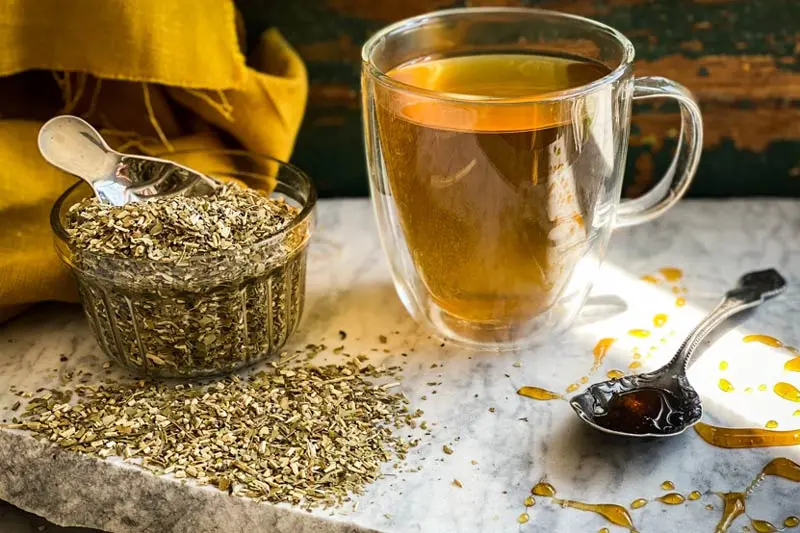
These are usually made by soaking or boiling cumin seeds in water. Some people enjoy them as part of their morning routine or after meals.
Cumin tea and cumin water are especially popular in traditional food cultures where spices are appreciated not only for cooking, but also for their connection to comfort and digestion.
Cumin Powder Benefits
Ground cumin is especially practical because it is easy to add to recipes.
The benefits of cumin powder include:
- Easy use in everyday cooking
- Strong aroma and flavor
- Ability to blend quickly into dishes
- Convenient seasoning for soups, stews, sauces, and marinades
For busy kitchens, cumin powder is often the most convenient way to enjoy cumin regularly.
White Cumin and Black Cumin
It is important not to confuse white cumin and black cumin.
White cumin is the common culinary cumin most people know. It is the spice used in everyday cooking and the one usually meant when people say “cumin.”
Black cumin is a different seed with its own flavor and traditional uses. Although the names are similar, they are not the same spice.
This is an important distinction because flavor, appearance, and usage can be quite different.
Where Does Cumin Come From?
Cumin has been cultivated for centuries and is closely associated with warm regions that support spice production.
It is widely connected to areas such as:
- Iran
- India
- Syria
- Turkey
- Egypt
- Other parts of the Middle East and Asia
Its long history and broad culinary role have made it one of the world’s most established spices.
Cuminum Cyminum: The Plant Behind Cumin
The scientific name of cumin is Cuminum cyminum.
It is a flowering plant in the parsley family, and its seeds are harvested, dried, and used as spice. The plant itself is relatively delicate, but the seeds it produces are extremely valuable in food culture and spice trade.
Understanding the plant behind the spice helps explain why cumin has such a distinct identity compared with other seasonings.
Is Cumin Gluten Free?
In its pure form, cumin is naturally gluten free.
That said, buyers and consumers should still pay attention to packaging, blending, and processing standards, especially when cumin is sold in mixed spice products. Pure, high-quality cumin is typically a naturally gluten-free spice.
How to Use Cumin in Everyday Cooking
If you want to include cumin more often, there are many easy ways to do it.
You can add cumin to:
- Lentil soup
- Chickpea dishes
- Rice and pilaf
- Grilled chicken marinades
- Yogurt dips
- Tomato-based sauces
- Roasted potatoes and vegetables
- Homemade spice blends
A small amount can make a big difference. Cumin is one of those spices that quickly turns simple ingredients into meals with deeper aroma and character.
Why Cumin Remains Popular Worldwide
Cumin has remained popular for centuries because it offers a rare combination of qualities:
- Strong flavor
- Wide culinary use
- Traditional value
- Practical everyday application
- Natural fit with healthy home cooking
Very few spices are as globally recognized and widely accepted as cumin. It works in simple family meals, traditional recipes, restaurant dishes, and industrial food production.
That broad appeal is what makes cumin both a kitchen staple and a major trade product.
From Culinary Value to Export Quality
At Zaragro, we understand that cumin is more than just a spice. It is a high-demand agricultural product with strong value in both food culture and international trade.
Today’s buyers look for more than aroma alone. They also care about:
- Clean appearance
- Consistent color
- Strong natural fragrance
- Proper drying
- Reliable packaging
- Export-grade quality
- Stable supply
High-quality cumin should meet expectations not only in flavor, but also in purity, handling, and presentation.
Why Quality Matters in Cumin Exports
For importers, wholesalers, and distributors, cumin quality directly affects market performance.
Well-prepared cumin offers:
- Better aroma
- Better shelf life
- Better visual appeal
- More reliable food use
- Greater confidence for wholesale buyers
This is especially important in international markets where consistency and product standards matter just as much as price.
Final Thoughts
So, what is cumin good for?
Cumin is valued for many reasons. It adds rich flavor to food, supports healthy cooking habits, contains useful plant compounds, and has a long tradition in everyday nutrition and spice culture.
It may be small, but it plays a big role in the kitchen.
Whether you use whole cumin seeds, ground cumin, cumin powder, cumin tea, or cumin water, this spice remains one of the most versatile and respected ingredients in the world.
Conclusion: Choose Premium Cumin for Your Market
Cumin is more than a seasoning. With its distinctive aroma, broad culinary use, and strong place in global spice trade, it remains one of the most valuable spices in international markets.
For buyers, wholesalers, and distributors, quality is essential. Proper cleaning, drying, grading, and packaging all matter when supplying cumin to competitive markets.
At Zaragro, we focus on premium export-quality agricultural products prepared with care for international buyers.
If you are looking for a trusted cumin supplier for your market:
📩 Request a quotation today
📲 Contact us on WhatsApp for a fast response
📧 Send your inquiry for bulk orders and specifications
Let Zaragro be your trusted partner for high-quality cumin exports.